View product
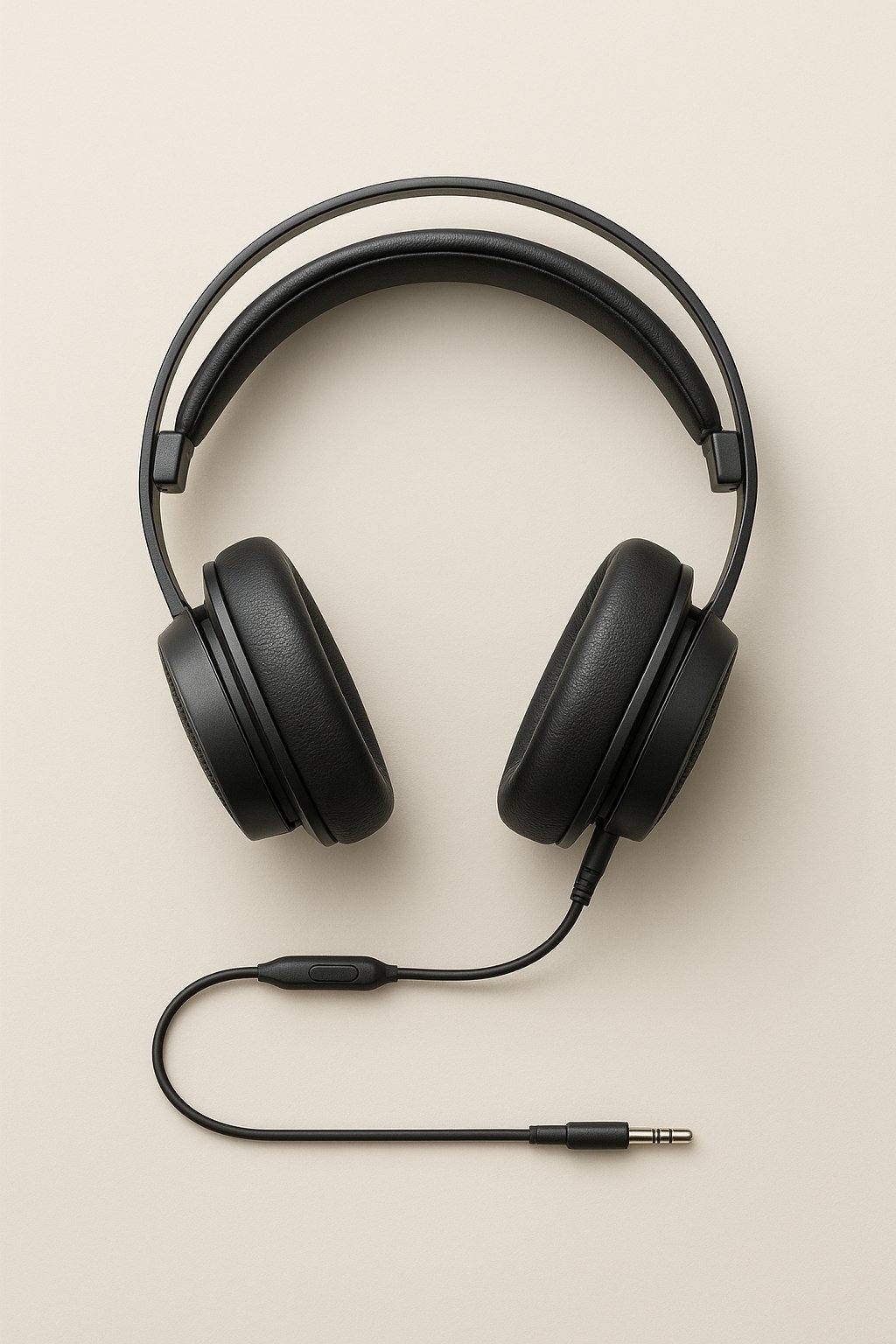
Open Frame 96 Over-Ear Headphones
A broad 96 mm open-frame cup with suspended headband and clearly separated control module.
View productWear, place, connect, store
A considered listening setup starts with physical contact and available space, then adds control reach, source checks and a storage routine suited to the equipment.
View product
A broad 96 mm open-frame cup with suspended headband and clearly separated control module.
View product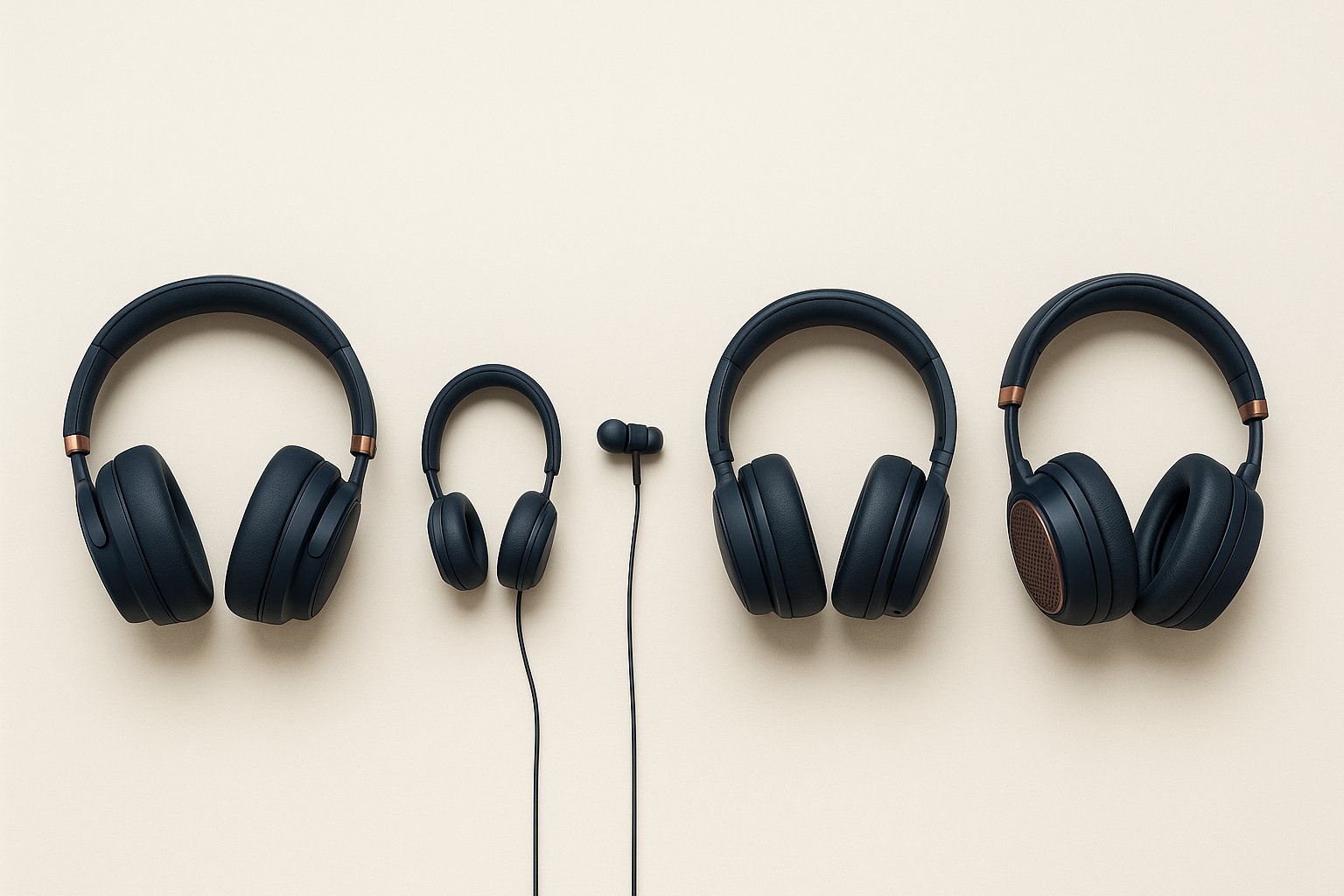
Collection
Five original over-ear, on-ear and in-ear formats organised around cushion opening, earpiece scale, wearing pressure, control reach, cable or charging access and storage footprint.
View CollectionStart with wearing style. An in-ear piece uses a removable tip at the ear canal entrance, an on-ear pad rests against the outer ear, and an over-ear cushion is intended to sit around it. These categories describe contact but cannot guarantee individual comfort or fit.
Next compare the outer cup or earpiece body with the stated cushion opening or tip profile. Headband adjustment, yoke movement and cushion depth affect the space occupied on the head, while folding hinges and lead position affect the storage shape after use.
Finally locate controls and charging access while imagining the normal wearing position. A control that is clear in a product photograph still needs to be reachable, and a cup should not be stored on a protruding button, port or cable entry.
Use these differences as shortlist cues, then read the complete product page.
Broad oval over-ear cups with a choice of 18 mm or 24 mm cushion depth.
Circular on-ear pads and inward hinges for a smaller stored profile.
Compact in-ear bodies with small, medium or large removable tip profiles.
An over-ear desk format with fixed lead and inline control away from the cups.
The widest cup frame, using a suspended band and separate lead control module.
Mark the usable width and depth of the shelf, desk or counter before choosing a cabinet. Then check available height, edge distance, the supported orientation indicated by the feet, and the direction in which the main grille will face.
Add access space rather than matching the cabinet exactly to the gap. Top, front or side controls must remain usable; rear inputs and charging points need finger room and a relaxed cable bend; covered panels must be able to open without moving the speaker into an unsafe position.
Portable describes a cabinet that can be moved, not a promise that every location is suitable. Use a stable level dry surface, keep openings clear, move the unit by its defined body or carry edge, and do not rely on an unstated battery runtime, wireless standard or waterproofing claim.
A repeatable routine protects wearing surfaces, controls and leads.
Remove the equipment from charging or its source before cleaning, moving or folding it.
Use a soft dry cloth and keep liquid away from grilles, ports, controls, seams and charging contacts.
Follow the supplied product instructions and let tips dry fully before returning them to an earpiece or case.
Avoid tight coils, sharp bends and wrapping a lead around earcups, speaker cabinets or moving hinges.
Keep equipment dry and supported, with no weight resting on cushions, controls, grilles, cables or folding parts.
Compare the stated dimensions and access points on each product page against the listening position you have measured.
Related products
A few catalogue examples that connect the guidance, process, or service topic to the actual storefront.
A broad 96 mm open-frame cup with suspended headband and clearly separated control module.
£139.00
View product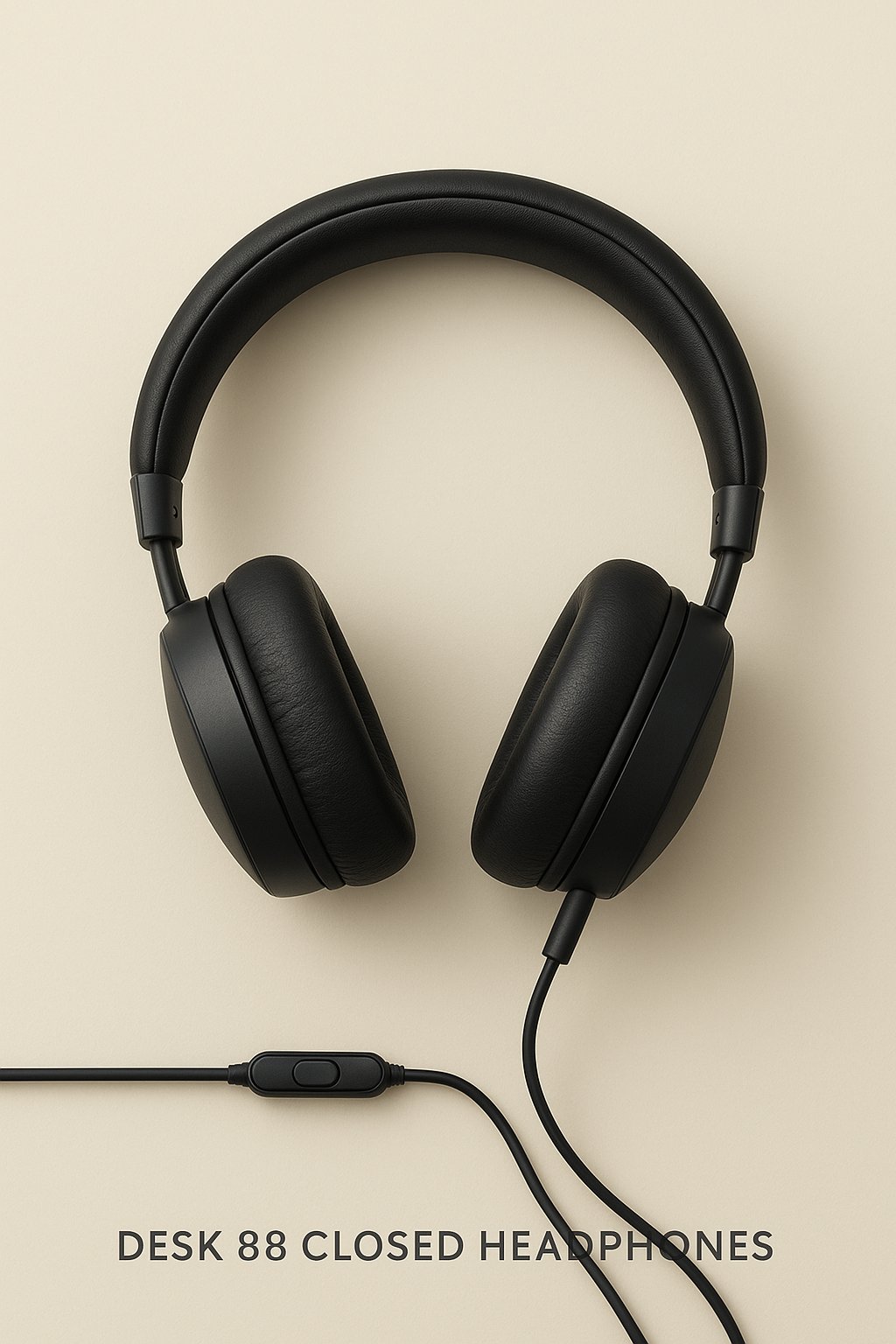
An over-ear desk format with 88 mm cups, a fixed 1.8 m lead and controls kept off the earcups.
£89.00
View product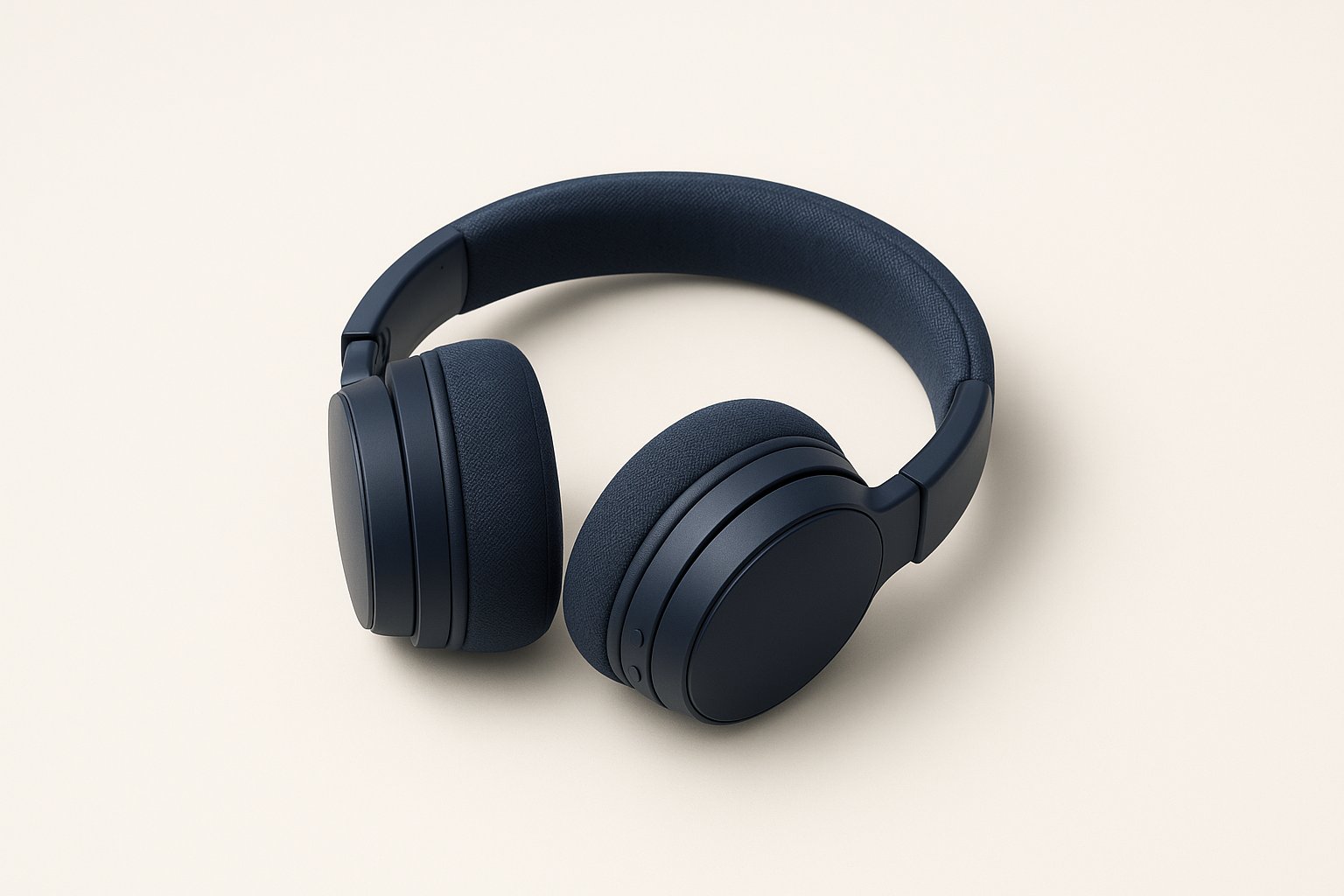
A lighter on-ear profile with 78 mm round pads and inward-folding hinges for storage.
£79.00
View productBasket
0 items in cart
Your cart is saved in this browser until you clear it. Need help now? Contact us on +447502 139627.